
Nation Branding as Strategic Infrastructure for Foreign Direct Investment
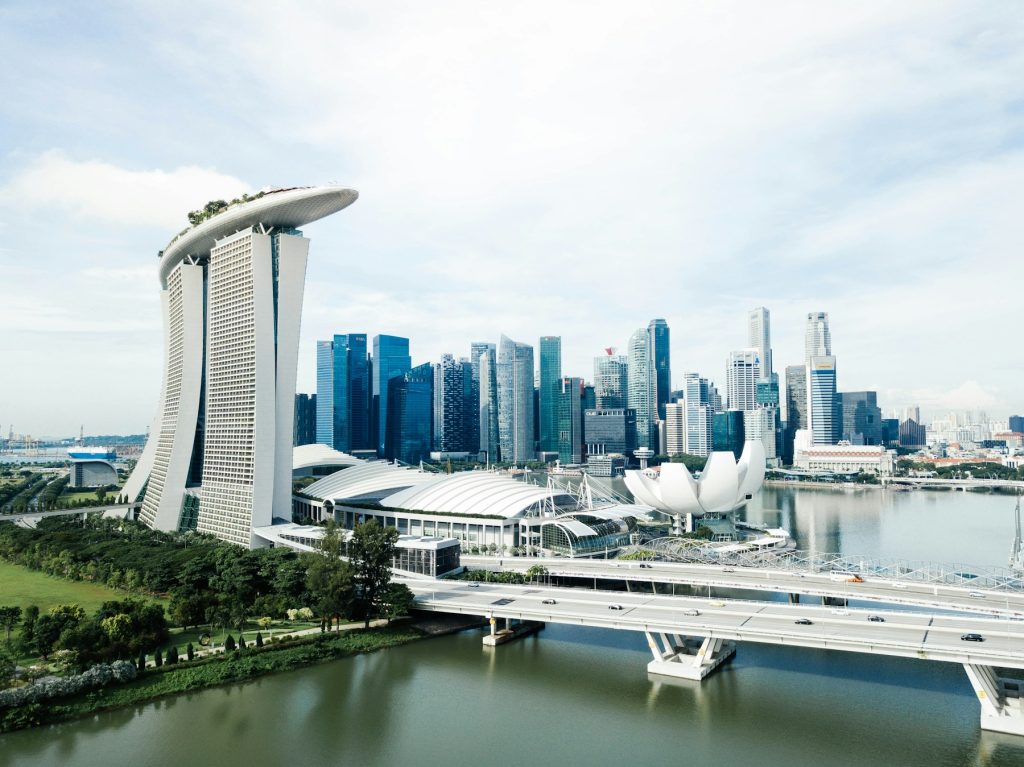
Capital follows confidence, not campaigns
In an increasingly competitive global environment, governments and cities seeking to attract foreign direct investment often default to promotion. Campaigns are launched, messages refined, and visibility increased.
Yet capital does not move because a place is well advertised.
It moves because investors believe the environment is credible, navigable, and aligned with their long-term interests.
Nation branding, when done well, functions less as marketing and more as strategic infrastructure, shaping expectations, reducing perceived risk, and accelerating trust.
Beyond marketing: what nation branding actually does
Nation branding is frequently misunderstood as external communication. In reality, it is the outward expression of internal coherence.
At national, regional, or city level, effective branding aligns:
- Economic priorities
- Policy intent
- Institutional behaviour
- External messaging
When these elements reinforce one another, a place becomes legible to international investors. When they diverge, visibility increases scrutiny rather than confidence.
In this sense, nation branding mirrors corporate branding at scale: it signals what can be trusted, what is prioritised, and how reliably commitments are honoured.
The link between reputation and investment
Foreign direct investment is not only a financial decision. It is a judgement call.
Investors assess:
- Stability of governance
- Predictability of regulation
- Quality of infrastructure and talent
- Ease of access to decision-makers
- Alignment with long-term strategic goals
A strong nation brand aggregates these signals into a coherent perception. It does not guarantee investment, but it shortens decision cycles by lowering uncertainty.
Conversely, weak or inconsistent branding forces investors to rely on informal intelligence, slowing momentum and narrowing optionality.
Branding works when it reflects reality
The most effective nation brands are rarely the loudest. They are the most consistent.
Jurisdictions that succeed in attracting sustained FDI tend to exhibit:
- Clear strategic identity
- Institutional continuity across political cycles
- Predictable engagement with international partners
- Credible governance and dispute resolution
Brand strength emerges when lived experience matches communicated intent. Where there is a gap, capital hesitates.
Networks as the connective tissue of FDI
While branding shapes perception, networks convert interest into commitment.
Cross-border relationships between investors, local businesses, intermediaries, and public institutions provide the context that formal messaging cannot. These relationships:
- Humanise institutions
- Clarify informal norms
- Reduce friction during entry and expansion
Countries and cities that invest in sustained international engagement, through business forums, trade missions, and structured networking, build reservoirs of trust that branding alone cannot create.
In practice, FDI accelerates where reputation and relationship intersect.
Digital presence and public diplomacy
Digital platforms and public diplomacy now play a central role in how places are assessed.
They allow jurisdictions to:
- Articulate strategic priorities clearly
- Demonstrate institutional competence in real time
- Engage directly with international stakeholders
However, digital amplification only strengthens a brand when it reflects underlying reality. Visibility without coherence magnifies inconsistency.
Public diplomacy, when aligned with policy and behaviour, reinforces a place’s strategic narrative. When misaligned, it erodes credibility.
Nation branding as a leadership responsibility
At senior levels, nation branding is not a communications function. It is a leadership responsibility.
It requires:
- Strategic clarity about what the country or city stands for
- Discipline in aligning institutions around that identity
- Willingness to prioritise long-term credibility over short-term appeal
When approached this way, branding becomes an enabler of investment rather than a substitute for reform.
Closing perspective
Foreign direct investment flows toward places that are intelligible, credible, and consistent.
Nation branding, when treated as strategic infrastructure rather than promotion, helps create those conditions. It aligns perception with reality, reduces uncertainty, and allows capital to move with confidence.
In a world where investors have choice, credibility compounds. Branding that reflects substance does not chase capital, it attracts it.
REQUEST A PRIVATE CONVERSATION
If you’re a mid-market business (£3M–£100M) or government body in need of strategic leadership, growth and governance support across international expansion, bilateral trade & FDI, or Digital, AI & cyber governance, please request a private conversation.
Book a Free Discovery Meeting