
UK–China Rapprochement: Pragmatism in an Era of US Uncertainty
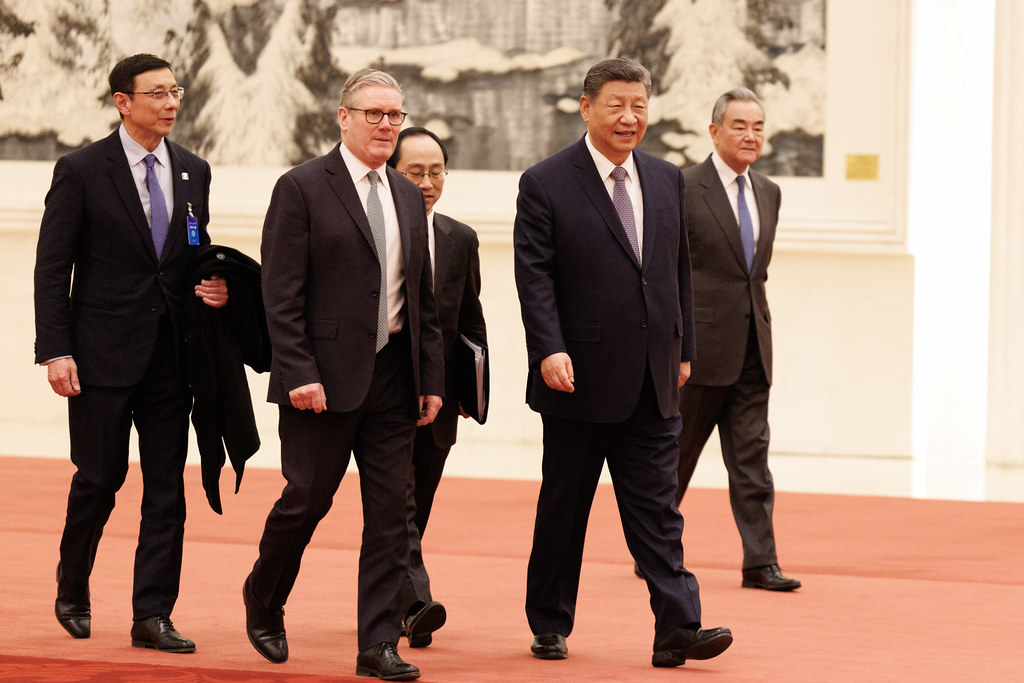
The recent approval of China’s new mega-embassy in London, set to become Beijing’s largest diplomatic presence in Europe, is not an isolated planning decision.
Taken together with shifting dynamics in Washington and a more assertive US posture, it signals something deeper: Britain is quietly rebalancing its global posture.
The embassy decision is a signal, not a concession
Approving a major Chinese diplomatic footprint in London has inevitably drawn criticism, particularly in the context of espionage risks, national security, and alignment with allies.
But diplomacy is not endorsement. It is statecraft.
This is not ideological drift. It is strategic pragmatism.
London remains a global city precisely because it continues to host the world, including competitors, rivals, and uncomfortable partners. Closing doors rarely strengthens leverage. Keeping them open, on British terms, often does.
The embassy approval reflects a long-standing British instinct: engage structurally, manage risks institutionally, and avoid performative rupture.
The return of structured UK–China engagement
More telling than bricks and mortar is the revival of formal economic dialogue.
The re-energising of the UK–China CEO Council marks a return to structured, elite-level engagement, pragmatically focused on trade, investment, and long-term economic interests.
This matters because Britain’s China policy is not being outsourced to slogans or soundbites. It is being handled through institutions, process, and quiet negotiation, which are the hallmarks of a serious trading nation.
In short, this is British and Chinese pragmatism meeting where interests overlap, without illusions, and without theatrics.
These are, indeed, very interesting times.
REQUEST A PRIVATE CONVERSATION
If you’re a mid-market business (£3M–£100M) or government body in need of strategic leadership, growth and governance support across international expansion, bilateral trade & FDI, or Digital, AI & cyber governance, please request a private conversation.
Book a Free Discovery Meeting